To understand the history and importance of rodeo in Argentine culture.
Rodeo is a practice with deep roots in Argentine culture. Originating from rural life, it has evolved over the years, becoming an event that attracts people from all walks of life. This guide will explore its history, significance, and the various activities that take place.
Rodeo in Argentina has its roots in the livestock activities of the gauchos, who showcased their cattle handling skills. Since the 19th century, rodeo began to formalize as a competition. There are records of events where gauchos competed in trials that measured their prowess in horseback riding and their ability to manage cattle. These events were a celebration of gaucho culture and served to unite rural communities around a shared tradition. Over time, rodeo gained popularity not only in agricultural provinces but also in cities, becoming a symbol of Argentine identity.
As rodeo evolved, various modalities emerged that are practiced throughout the country. Among them are horse taming, reining, and steer riding. Each modality has its own rules and techniques. Taming, for example, focuses on the rider's ability to train and control the horse, while steer riding tests the endurance and skill of the rider to stay atop an animal trying to throw them off. These diverse activities are not only sports but also reflect the hard work of gauchos and their deep connection with nature.
Rodeo is not just a sport; it is also a cultural expression. Husadas, festivals, and competitions are events where values such as camaraderie among participants are celebrated. Additionally, rodeo has been a platform for preserving Argentine folklore. As a result, many communities find in these events a way to keep their traditions alive and pass them on to future generations. However, there have also been criticisms regarding the treatment of animals and their welfare in competitions, leading to a debate on how to balance tradition with ethics.
To keep the tradition of rodeo alive, it is important to promote events that involve new generations. This can include implementing rodeo schools, where young people learn not only about techniques but also the history and cultural significance of rodeo. Additionally, collaborating with educational institutions to include rodeo culture in the curriculum can be an effective way to preserve and honor this tradition. More festivals celebrating rodeo as a cultural and adventure tourism area can be organized, which would not only enrich communities but also help boost the local economy.
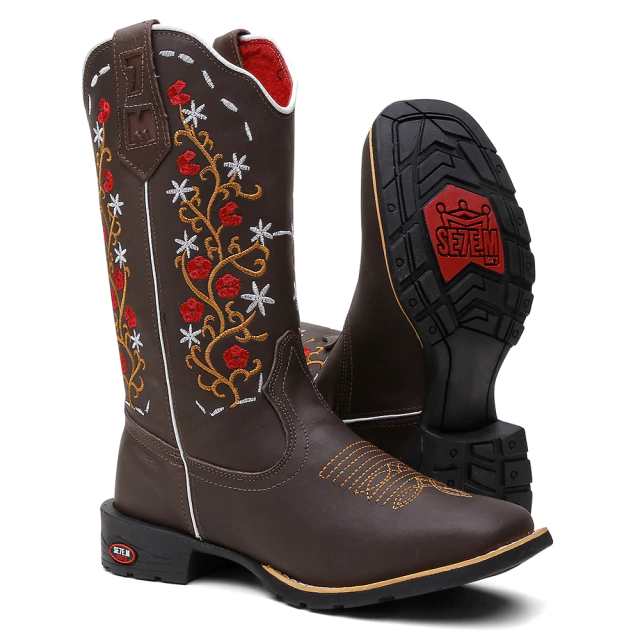
We invite you to explore more about Argentine culture and consider participating in a rodeo event. Whether as a spectator or competitor, rodeo offers a unique experience that connects with the country's roots.
Aôba, tá precisando de ajuda? Clica aqui no botão do Whats que nóis te ajuda uai
Aproveite o desconto especial que preparamos para você.
Insira seus dados abaixo para resgatar seu cupom:


