history of rodeo in Brazil
Rodeo in Brazil is more than just a competitive event; it is a tradition that reflects the cultural richness of the country. From its origins in the countryside, rodeo has evolved and become an important artistic and cultural manifestation in various regions of Brazil.
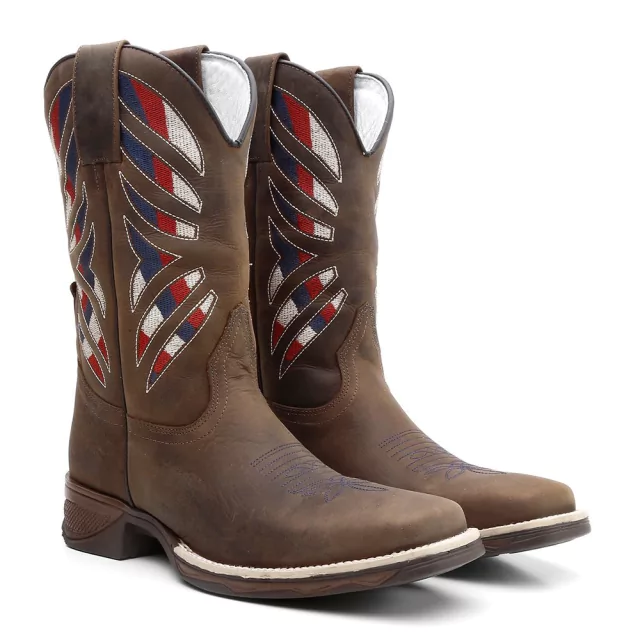
The history of rodeo in Brazil dates back to the 18th century, influenced by Spanish and Portuguese traditions. Brazilian cowboys, known as 'peões', began organizing informal competitions to showcase their cattle handling skills. These competitions evolved, gaining popularity and starting to form organized events.
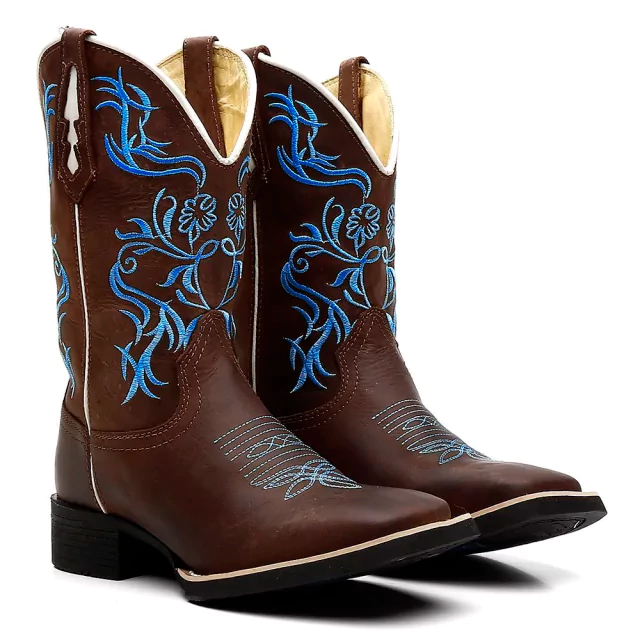
With the growth of agriculture and livestock in the country, rodeo became popular in different regions. Festivals and fairs dedicated to this practice began to be held, where not only competitions took place but also local culture was celebrated. The introduction of prizes and trophies in these competitions further encouraged participation and propelled its professionalization.
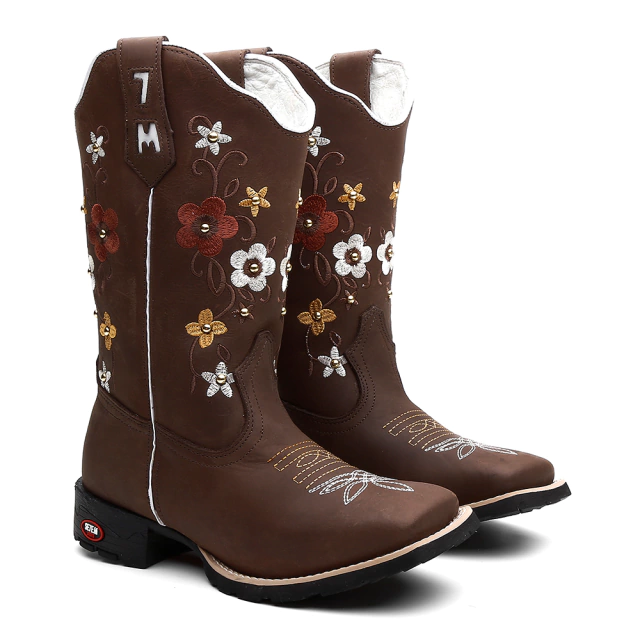
Rodeo in Brazil is also associated with music, gastronomy, and typical clothing. The 'festas de peão', carefully organized in various cities, attract thousands of visitors and have contributed to strengthening local commerce. However, it is essential to address discussions about animal welfare and the treatment of cattle used in these competitions.
As the world changes and evolves, rodeo faces several contemporary challenges, including the rising awareness about animal welfare and changes in entertainment habits. Rodeo organizers are looking for ways to innovate and modernize events, ensuring these traditions remain relevant for new generations.
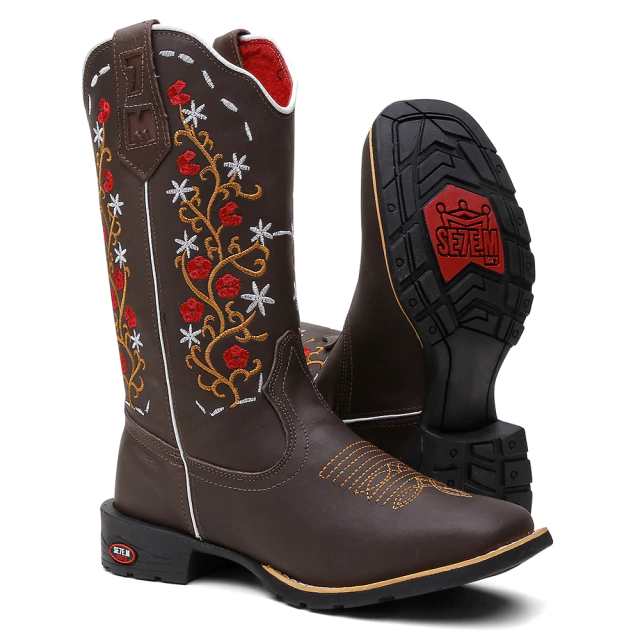
We invite everyone to explore more about the rich culture of rodeo in Brazil, participate in local events, and contribute to the sustainable development of these traditions.
Aôba, tá precisando de ajuda? Clica aqui no botão do Whats que nóis te ajuda uai
Aproveite o desconto especial que preparamos para você.
Insira seus dados abaixo para resgatar seu cupom:


